


 Thursday, May 21, 2015


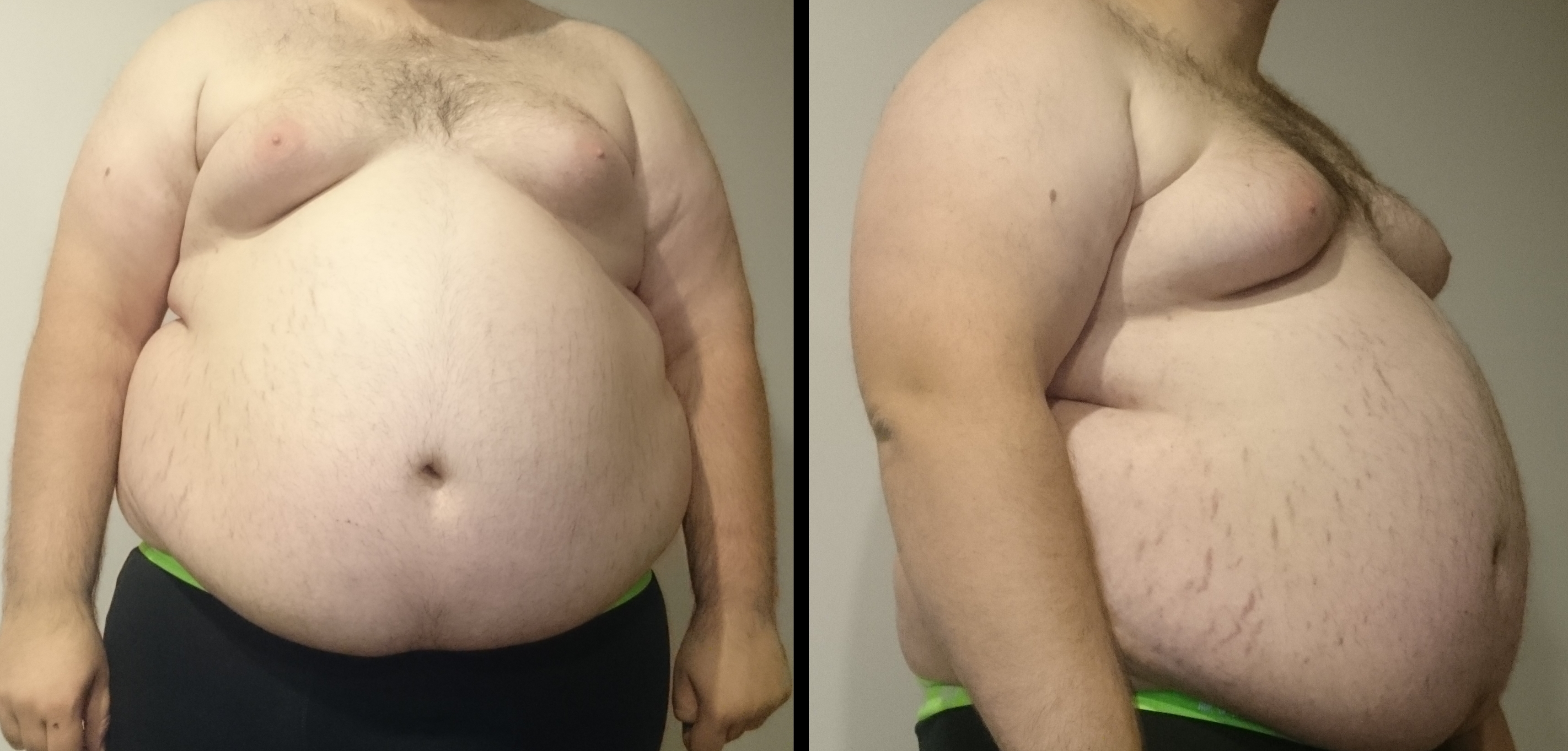
In an effort to squeeze into an
super slinky dress, many of us decide to skip a meal or two.
But going without breakfast,
lunch or dinner can actually make you gain weight, a study has found.
Fasting sets off a host of
processes in the body which trigger fat to be stored around the middle.
This type of fat is dangerous and
increases the risk of type 2 diabetes and heart disease, researchers warned.
Skipping meals can make a person
put on weight, as it sets off a host of processes in the body which cause belly
fat to form, increasing the risk of type 2 diabetes and heart disease +2
Skipping meals can make a person
put on weight, as it sets off a host of processes in the body which cause belly
fat to form, increasing the risk of type 2 diabetes and heart disease
They discovered that going
without food causes the liver cells to stop responding to insulin - the hormone
that breaks down sugar.
The liver normally produces glucose
to be used by the body, such as when someone is asleep.
But stops this production when it
detects insulin in the blood, such as when someone has eaten.
If it becomes resistant to
insulin, it doesn't get the signal to stop producing glucose - and keeps
pumping it into the blood.
This excess glucose (sugar) in
the bloodstream is stored in the body as fat.
It also damages organs and can
trigger type 2 diabetes over time.
The findings suggest eating small
meals often could help with weight loss, researchers said.
In the study, they fed one group
of mice all of their food as a single meal, so the rodents fasted for the rest
of the day.
Another group of mice were freely
allowed to nibble all day long.
The mice fed just one meal
developed insulin resistance, which scientists consider a tell-tale sign of
pre-diabetes.
Fasting can causes fat to form
around the belly - which increases the risk of disease, researchers found
+2
Fasting can causes fat to form
around the belly - which increases the risk of disease, researchers found
Type 2 diabetes: How it develops
due to increased body fat
This is a condition in which
levels of glucose in the blood are abnormally high, which can lead to type 2
diabetes over time.
Initially, the mice fed one meal
a day lost weight compared to the mice that had unlimited access to food.
For three days, these mice
received half of the calories that were consumed daily by the mice whose diet
was unrestricted.
WHY IS BELLY FAT SO
BAD?
‘Belly fat’ is defined as
visceral fat, which is found deep in the stomach that surrounds the internal
organs.
It is distinguished from
subcutaneous fat that is found underneath the skin.
Visceral fat poses more of a
threat to health, as it lies closer to the organs and is associated with
diabetes, heart disease and some cancers.
This is because belly fat works
to block the action of insulin, the hormone that lowers levels of glucose in
the blood stream.
Insulin normally triggers the
liver to take the extra glucose out of blood and store it for future use.
But when the liver is submerged
in fat tissue, it stops responding to insulin and the liver continues to pump
out glucose.
As a result, glucose can
accumulate in the bloodstream, where it can damage organs all over the body.
Over time this leads to type 2
diabetes.
Food was gradually added so that
by day six, all mice received the same amount of food each day.
As calories were introduced back
into their diet, they regained weight, and weighed nearly as much as the other
group of mice by the end of the study.
But the fat around their middles
– the equivalent to human belly fat – weighed more than in mice that were free
to eat all day long.
An excess of belly fat is
associated with insulin resistance and risk for type 2 diabetes and heart
disease.
Senior author Professor Martha
Belury, The Ohio State University said: 'This does support the notion that
small meals throughout the day can be helpful for weight loss, though that may
not be practical for many people.
'But you definitely don't want to
skip meals to save calories because it sets your body up for larger
fluctuations in insulin and glucose and could be setting you up for more fat
gain instead of fat loss.'
The mice that had been on
restricted diets developed gorging behavior that persisted throughout the
study, meaning they finished their day's worth of food in about four hours and
then ended up fasting for the next 20 hours.
Professor Belury said: 'With the
mice, this is basically bingeing and then fasting.
'People don't necessarily do that
over a 24-hour period, but some people do eat just one large meal a day.'
In mice that gorged and then
fasted, the researchers saw raised levels of inflammation.
They also note higher activation
of genes that promote storage of fatty molecules and plumper fat cells –
especially in the abdominal area – compared to the mice that nibbled all day.
The research is published online
in the Journal of Nutritional Biochemistry.
Note: This article edited By MADLEN DAVIES FOR MAILONLINE in
http://www.dailymail.co.uk


0 comments:
Post a Comment